Eloqua Lead Nurture

Creating Nurture Programs That Respect Your Audience - A Smarter, Balanced Approach to Eloqua Lead Nurture

A practical guide to designing Eloqua lead nurture journeys that build trust instead of fatigue: intent-first stages, smart suppression, fast lanes for high-intent leads, preference control, and a simple CDO interest layer to keep always-on nurture relevant and measurable.

đź“… First published: 09 February 2026

⏱ Complexity: Advanced • 🎯 Focus: Respectful Eloqua Lead Nurture, Intent-Based Journeys, Suppression Logic, and CDO-Driven Interest Scoring

Eloqua Lead Nurture Workflow
Most Eloqua lead nurture programs do not fail in one dramatic moment. They drift. The audience gets tired, relevance drops, teams patch the Program Canvas, and the result is an always-on drip that feels like nagging. Respectful nurture is the fix. It keeps automation human.

Greg Staunton

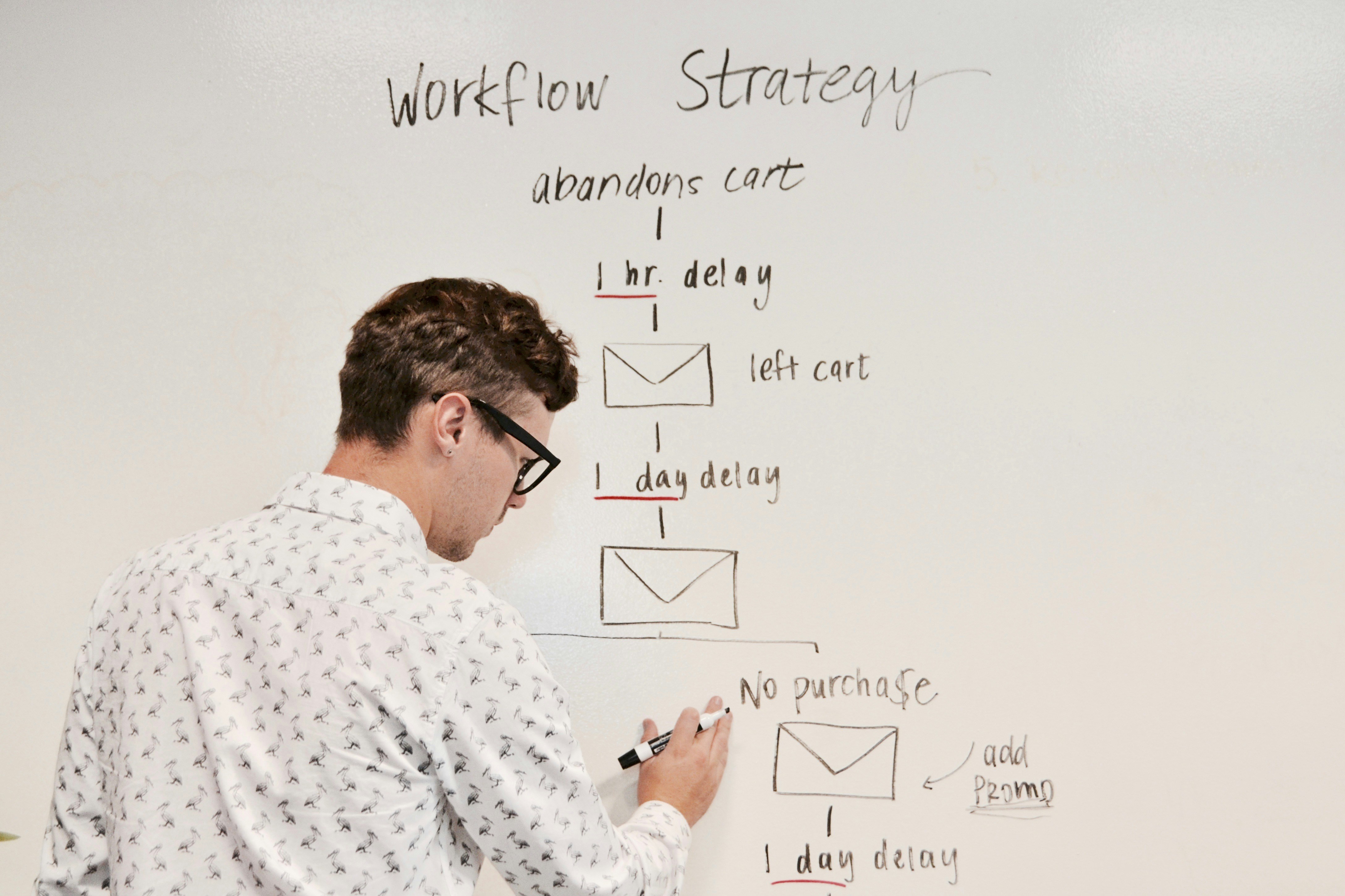
Diagram showing a respectful Eloqua lead nurture model with intent stages, suppression logic, high-intent fast lanes, and a simple interest snapshot CDO.
Image prompt: a simple flow diagram showing Entry → Awareness → Consideration → Decision, with suppression logic for cold contacts, a fast lane for high-intent actions, and a CDO “Interest Snapshot” updating next to the always-on campaign.

What you will get from this article

  • How to design Eloqua lead nurture that builds trust instead of fatigue
  • How to use intent-based stages so your journey progresses instead of looping
  • How to add suppression and cadence control without killing conversion
  • How a simple Eloqua CDO can keep always-on nurture relevant and measurable

What “respect” looks like in Eloqua lead nurture

Respect in automated journeys is not about sending fewer emails because you are nervous. It is about sending fewer irrelevant emails because you are disciplined. A respectful Eloqua lead nurture does not feel like a drip. It feels like a conversation that progresses, adapts, and stops when it should.

The best way to think about it is simple: if your nurture is respectful, the reader thinks “this is relevant”. If it is not respectful, they think “here we go again”. That reaction is the entire performance story.

A respectful nurture does six things

  • Emails people for a reason, not because the calendar says so
  • Progresses by intent stage instead of repeating the same CTA
  • Adapts to behaviour and signals, not assumptions
  • Gives control (topics, cadence, pause) without forcing unsubscribe
  • Stops when engagement is dead (suppression logic)
  • Gets out of the way when someone is ready for Sales
Eloqua Insight dashboard showing declining email engagement and rising unsubscribes over time.
Image prompt: screenshot of Eloqua Insight showing 6–12 month trend for open rate, click rate, and unsubscribe rate across an always-on nurture.

Why nurture programs create fatigue

Most teams blame frequency. Frequency is not the root cause. Frequency just makes the real problems louder. Fatigue is created by three things: irrelevance, no progression, and no control.

1) Irrelevance

relevance

One stream, one journey, one set of emails for everyone is a shortcut that always backfires. Your audience is not one person. Different roles, different needs, different urgency. Treat them as a blob and your messaging becomes generic. Generic email feels like spam.

Fix: segment by role, product interest, region, and maturity. Start small and expand once it works.

2) No progression

stages

If the nurture does not move, it repeats. It sounds like the same email wearing different subject lines. A good Eloqua lead nurture should feel like steps, not laps.

Fix: design stages (Awareness → Consideration → Decision) and only move forward on meaningful signals.

3) No control

trust

If the only control a recipient has is unsubscribe, you have built a trap, not a relationship. People do not mind automation. They mind being ignored by automation.

Fix: offer a preference centre or micro-form: topics, cadence, and a “pause for 30 days” option.

Build nurture around intent, not content

The most common nurture planning process is backwards. It starts with “what assets do we have?” and ends with “can we stretch this into eight emails?” That is not strategy. That is inventory management.

Start with intent instead:

  • Why did this person enter nurture?
  • What problem are they trying to solve?
  • How urgent is it?
  • What is the next sensible step?

In Eloqua, intent-first design is simple. Entry rules define the reason they are here. Stages reflect decision maturity. Transitions respond to behaviour. Exits respect readiness.

Eloqua Program Canvas screenshot showing a stage-based nurture: Awareness, Consideration, Decision with clear transitions.
Image prompt: screenshot of an Eloqua Program Canvas with clearly labelled stages (Awareness → Consideration → Decision), plus decision rules between stages.

Progression beats frequency every time

You can send fewer emails and still annoy people. You can send more emails and still be welcome. It depends on whether you are moving them forward.

A respectful Eloqua nurture feels staged:

Awareness

Goal: help them frame the problem. Content: short explainers, checklists, “common mistakes”, clarity.

Consideration

Goal: help them evaluate approaches. Content: comparisons, implementation guidance, case studies, proof.

Decision

Goal: remove risk and make the next step easy. Content: demos, trials, onboarding plan, security info, expectations.

If you send decision messaging to an awareness audience, you look desperate. If you keep sending awareness messaging after someone shows high intent, you look slow. A strong Eloqua lead nurture is not long. It is precise.

Give your audience control without killing conversion

Most nurtures offer one choice: unsubscribe. That is not respectful. It is the digital version of cornering someone at a party and talking at them until they leave.

Give people control:

  • topics
  • cadence
  • channel
  • “pause” options

A preference centre is the cleanest approach, but you do not need a masterpiece to get value. Even a lightweight “choose what you want” micro-form reduces unsubscribes and increases engagement because people opt into relevance.

Preference center or Eloqua form offering topic and cadence control options.
Image prompt: screenshot of an Eloqua preference center or a simple Eloqua form offering topic choices and a “pause for 30 days” option.

Stop when they are not engaging

This is where most teams fail. They keep sending because “the nurture is running.” If someone has not opened or clicked in weeks, continuing the drip is not persistence. It is noise.

Respectful Eloqua nurture needs suppression logic:

  • If no engagement after X touches, slow down
  • If no engagement after Y days, pause
  • If they re-engage later, restart with relevance

This protects deliverability, protects brand trust, and cleans up reporting. It also stops you from wasting your best content on people who are not listening.

Eloqua Program Canvas screenshot showing engagement checkpoints and pause logic for cold contacts.
Image prompt: screenshot of Program Canvas with an engagement decision step (opened/clicked in last X days) and a pause path for cold contacts.

Do not slow down high-intent leads

Someone does something high intent (pricing page, product comparison, demo request, repeat visits) and then they get another generic nurture email next Tuesday. That is automation working against you.

High intent needs a fast lane:

  • route to Sales
  • trigger the right decision content
  • stop the generic drip
  • attach context for Sales so they can act quickly

Respect is recognising urgency. Your Eloqua lead nurture should not be a queue system.

Salesforce lead record showing context fields populated from Eloqua nurture (interest, last engagement, stage).
Image prompt: Salesforce Lead record showing key context fields set by Eloqua (Primary Interest, Interest Rating, Last Engagement, Nurture Stage).

Personalisation should feel helpful, not creepy

Personalisation is not first name. First name is table stakes and half the time it just looks like you have their data. Useful personalisation reduces friction: content for role, region-appropriate examples, product family interest, industry-specific use cases.

Creepy personalisation reminds them you are tracking: “we saw you on our website” style copy and overly specific behaviour call-outs. Use data to be relevant. Do not use data to flex.

Eloqua email editor screenshot showing a dynamic content module tailored by role or product interest.
Image prompt: Eloqua email with a dynamic content block switching by role or product interest (e.g., Technical vs Commercial messaging).

The missing layer: a simple Eloqua CDO interest snapshot

Most teams try to drive always-on Eloqua lead nurture using contact fields, lead score, and campaign membership. It works, but it gets messy. Interests change. Fields get overwritten. Reporting becomes a debate.

A clean pattern is a simple Eloqua Custom Data Object (CDO) where you store a single record per contact that represents their current interest rating, right next to your always-on nurture.

This is not a full multi-touch attribution system. It is a practical “keep it simple” layer that makes segmentation and routing far more reliable.

CDO: Contact Interest Snapshot

Keep it tight. One record per contact. Updated over time. Used by the always-on nurture for routing and cadence.

  • Contact Email Address (or Contact ID)
  • Primary Interest (picklist or text, e.g. Product Family)
  • Interest Rating (0–100, or 1–5)
  • Last Interest Update Date (date/time)
  • Interest Source (webinar, page visit, form, email click)
  • Always-On Campaign Name (or Campaign ID)

Simple scoring approach for Interest Rating

Do not over-engineer this. Start simple and tune later. You are trying to capture “what they care about right now”, not build a PhD thesis.

  • +5 for a relevant email click
  • +10 for a high-value asset download
  • +20 for a demo request
  • +15 for pricing page visit (if tracked)
  • -10 decay every 30 days with no interest actions

With this, your always-on nurture can route based on Primary Interest, adapt cadence based on Interest Rating, exit when a threshold is crossed, and suppress when interest decays and engagement is low.

Eloqua CDO record screenshot showing fields for Primary Interest and Interest Rating.
Image prompt: screenshot of the CDO record view showing Primary Interest, Interest Rating, Last Update Date, and Always-On Campaign Name.

Measure what matters and keep the nurture explainable

If your nurture cannot be explained, it cannot be improved. You should be able to describe it in plain language: they enter because X, they progress by intent, they accelerate on buying signals, they pause when cold, and they exit cleanly to Sales.

Measure what matters:

  • stage progression
  • time to MQL
  • Sales acceptance
  • unsubscribe and complaint rate by stage
  • interest rating distribution over time (using your CDO)

Open rates are not the north star. Sales acceptance is.

A balanced nurture blueprint you can lift and use

Entry

start
  • Only enter with a reason: product interest signal, inbound action, or defined source campaign
  • Set minimum data quality for segmentation (country, role, product interest if you have it)

Stage 1: Awareness

2–3 touches
  • One clarity email that frames the problem properly
  • One practical resource that helps them take a next step
  • One optional invite (webinar, guide, Q&A) if it genuinely fits
  • Checkpoint: engaged? If no, slow down

Stage 2: Consideration

2–3 touches
  • Comparison content and trade-offs (help them decide, not just consume)
  • Implementation guidance that answers “how would this work for us?”
  • One strong case study that matches their world (role, industry, region)
  • Checkpoint: high intent? If yes, fast lane

Stage 3: Decision

1–2 touches
  • “What happens next” email that sets expectations (no fluff)
  • Demo / trial offer that is clear, specific, and easy to accept
  • Risk reducers (security, onboarding plan, proof, FAQs)
  • Exit: route to Sales with context

Cool-down

protect trust
  • If cold, pause then reactivation: “still relevant?” + preference update
  • Exit quietly if no response (stop burning the audience)

Alongside all of it, maintain your Interest Snapshot CDO so your always-on nurture is driven by what the person is actually doing, not what your team assumes they want.

Tip: use Interest Rating thresholds to control cadence and trigger fast lanes.

Closing: respect is the conversion strategy

Respectful Eloqua lead nurture is not being timid. It is being accurate. Send the right message to the right person at the right time, then stop when it is no longer welcome.

If you want the simplest litmus test in the world: Would you want to receive your own nurture? If the honest answer is “no”, your audience is already telling you the same thing. They are just doing it quietly with silence, fatigue, and unsubscribes.

Want an always-on Eloqua nurture that builds trust, not fatigue?

I help enterprise teams design and rebuild Eloqua lead nurture programs that convert without burning the audience: intent-based stages, suppression logic, high-intent fast lanes, and CDO-driven interest scoring to keep always-on journeys relevant and measurable.